
Building Strength Training Into a Normal Week
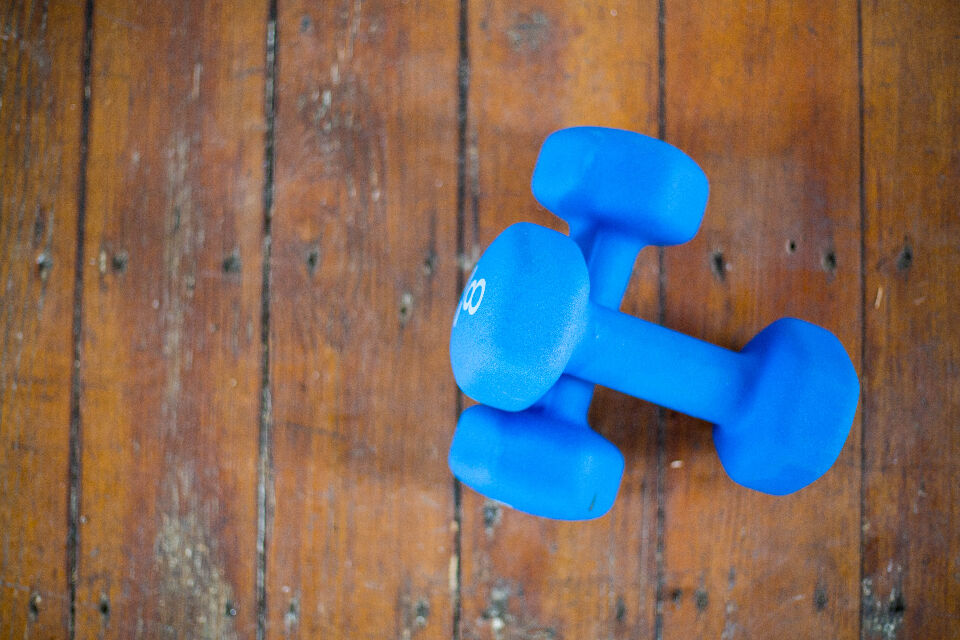
Many people do some exercise but skip strength work. It can feel like something only gym regulars do. Australia’s national guidelines treat it as a normal part of an adult week. This post looks at what they say and how it might fit your routine, and it is general information only.
The details come from the Australian Government’s 24 hour movement guidelines. They cover strength alongside other activity, sitting time and sleep. Nothing here is a personal exercise plan. A doctor or exercise professional can advise on your own situation.
What the national guidelines recommend
For adults, the guidelines recommend muscle strengthening activities on 2 or more days per week. They do not set a number of repetitions, and the page does not list particular exercises. That leaves the choice of activity to you and to the health professionals you speak with. Two days is the number to aim for. These recommendations apply to adults aged 18 to 64, and older adults have their own version.
Strength sits alongside other recommendations. Adults are asked to do moderate to vigorous physical activity for 30 minutes or more on most days, plus several hours of light physical activity daily. A further recommendation covers functional activities that target mobility, balance and coordination on 3 or more days per week. Our post on the role of balance and coordination in axe throwing looks at those skills in one active hobby.
Sitting less as part of the picture
The same document asks adults to limit the time they spend sedentary. It also says to break up prolonged periods of sedentary behaviour as often as possible. The adults brochure adds a practical idea, which is to trade sedentary time such as recreational screen time for movement. It also notes that walking up and down stairs counts toward both the moderate intensity and the functional activity recommendations.
Short bouts of movement can therefore do double duty. A few minutes of activity between long stretches of sitting breaks up that sitting time. The brochure suggests trading sedentary time such as recreational screen time for movement.
Putting the recommendations together
Read side by side, the recommendations describe a full day and not a single workout. Moderate to vigorous activity covers at least 30 minutes on most days. Light activity fills several hours of the rest of the day. Muscle strengthening and the mobility, balance and coordination work are added on top, on 2 or more days and 3 or more days per week respectively.
Some activities can count toward more than one recommendation, as the stairs example above shows. That means a single habit may cover more than one target. Sleep belongs in the same picture, with 7 to 9 hours of good quality sleep recommended for adults. Seen together, the recommendations cover movement, sitting and rest across the whole day.
Fitting strength into a normal week
Two days is a modest target, so the main task is choosing when. Some people pick fixed days and treat them like any other appointment. Staying motivated can be harder when life is hard. Our post on how bullying can affect mental health is general reading on the emotional side.
A doctor or exercise professional can advise where to start. This matters most if you have an injury, a health condition or have been inactive for a long time. They can match activities to your age, health and current fitness. If something hurts or feels wrong, stop and get advice from a health professional.
Strength days can sit on top of your usual walking or sport. The guidelines ask for moderate to vigorous activity on most days, so strength work adds to that goal and does not replace it. On other days you can focus on the light activity and the mobility, balance and coordination work the guidelines describe. Variety across the week keeps each recommendation covered.
An example week
This is only an illustration of how the recommendations could be spread out. It is not a prescription. Adjust it to suit your own health and fitness, and check with a health professional if you are unsure. Remember that the balance and coordination target is 3 or more days, so that work would need to appear on more than one day.
- Monday: a 30 minute brisk walk
- Tuesday: a muscle strengthening session
- Wednesday: a walk, plus an activity that works on balance and coordination
- Thursday: a walk at lunchtime
- Friday: a social activity such as a bike ride or a game with friends
- Saturday: a second muscle strengthening session
- Sunday: a gentle walk with light activity around the house
Looking after yourself around training
Food is part of any active routine. If you eat mostly plant foods, our guide to the best plant proteins for your body gives general ideas on where protein can come from. If digestion is a concern as you change what you eat, our post asking what is causing your IBS gives general information.
Rest is the other part. The same national guidelines ask for consistent bed and wake up times. Older adults are given a range of 7 to 8 hours of sleep. Sleep is listed in the guidelines next to movement and sitting, as part of one 24 hour day.
For the full wording, see the Australian 24 hour movement guidelines and the adults brochure.
Frequently asked questions
How often should adults do strength training?
The Australian guidelines recommend muscle strengthening activities on 2 or more days per week for adults. They do not set a number of repetitions. A doctor or exercise professional can advise on what suits you.
Do I need a gym membership?
The guidelines do not say a gym is required, and they do not list specific exercises. A doctor, physiotherapist or exercise professional can suggest activities that suit your health and fitness. They can also explain how to do them safely.
Does strength training replace my walking or other activity?
No. The guidelines recommend moderate to vigorous activity for 30 minutes or more on most days as well as strength work. They also recommend several hours of light activity daily. These are separate recommendations that work together.
Is it safe for me to start?
That depends on your own health. If you have an injury or a medical condition, or you have been inactive for a while, speak to your doctor first. A health professional can advise where to start.
This article is general information only and is not medical advice. Please speak with your doctor or another qualified health professional before changing your exercise routine.