
Sleep and Your Health: How Much Adults Need and Habits That Help
It’s 2am, you’re wide awake and you’ve checked the clock four times. Most of us know sleep matters. Not many of us have actually stopped to think about how much we need.
The Australian Government and Healthdirect Australia both have advice on this. Neither promises a quick fix. What they give you is a sensible range for most adults and some everyday habits that help, and your own situation might be a bit different.
How many hours
Australia’s 24 hour movement guidelines cover sleep along with physical activity and sitting time. For adults aged 18 to 64 they recommend 7 to 9 hours of good quality sleep, with consistent bed and wake up times. For older adults the range is 7 to 8 hours.
So if you’re an adult under 65, 7 to 9 hours is the range to aim for, and if you’re older it’s 7 to 8. The regular bed and wake up times are part of that same recommendation, so it makes sense to think about the two together.
Healthdirect says much the same. Most adults need about 7 to 9 hours a night to feel refreshed and to function at their best the next day. The Sleep Health Foundation puts it slightly lower, at about 7 to 8 hours for most adults. They’re all pretty close, so you’ll probably sit somewhere in there. And notice the guidelines say good quality sleep, so it’s about more than a number of hours.
The guidelines also treat sleep, movement and sitting as parts of the same 24 hour day. As well as the sleep range, they recommend 30 minutes or more of moderate to vigorous physical activity on most days, and they ask adults to limit sedentary time and break up long stretches of it as often as they can. So they’re looking at your whole day as well as your night.
Habits that help
Try to go to bed and get up at around the same time every day. That’s part of the national recommendation, it’s how Healthdirect puts it, and the Sleep Health Foundation lists a regular sleep pattern as the first of its ten tips. Healthdirect also suggests not spending more than 8 hours in bed. If it takes you ages to fall asleep, it says try going to bed later. It might sound odd when you’re tired, but that’s what it recommends. And the same time every day does include weekends.
If you’re lying there wide awake, don’t stay in bed. Healthdirect says get up and do something calming like reading, and keep away from screens. So a book is fine. Scrolling your phone isn’t what they have in mind. It also says checking the time can make you more anxious about not sleeping, so if you can, take the clock out of the bedroom.
Give yourself a buffer before bed. Healthdirect describes it as a period when you’re not trying to solve problems or plan tomorrow. Find a way of relaxing that works for you and keep the computer and phone out of that time, because your mind needs to connect bed with sleep, not with screens.
That’s easier said than done when something big is going on. Our post on managing mental health during the home loan process looks at one pretty common source of stress. Whatever’s on your mind, the buffer is meant to be time off from working it out.
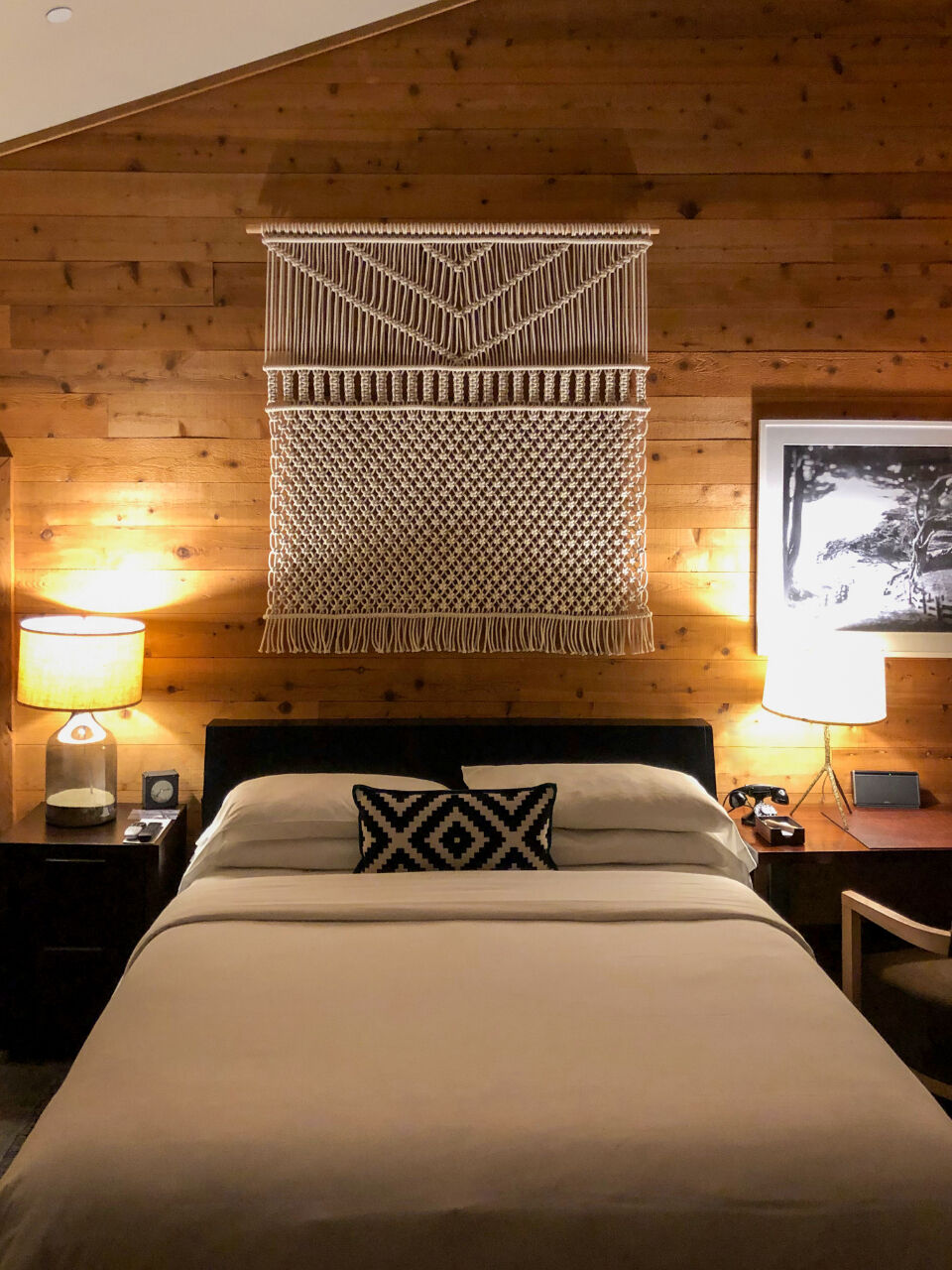
Then the bedroom itself. Healthdirect says it should be the right temperature, quiet and dark, with comfortable bedding, and it suggests keeping things that stress you out, like work gear or laptops, out of the room. The Sleep Health Foundation agrees a comfortable bedroom matters and says the bed is for sleeping, not entertainment.
What you have in the evening matters as well. Healthdirect suggests stopping these well before bed:
- alcohol, at least 4 hours before
- tea, coffee and caffeinated soft drinks, at least 3 to 7 hours before
- cigarettes, at least 2 hours before
The Sleep Health Foundation also lists alcohol, caffeine and cigarettes as things to avoid. If drinking is a bigger worry for you or someone close to you, our article on how to notice a functioning alcoholic has some general information on the signs.
Naps can work against you too. Healthdirect says sleeping during the day can make it harder to fall asleep at night. If you really need one, keep it to 20 minutes, and make sure you’ve been awake for at least 4 hours before you go back to bed. The Sleep Health Foundation lists avoiding daytime naps as one of its tips as well. So if you do have one, keep it short and keep it early enough that you’ve had 4 hours awake before bed.
Other things can get in the way of feeling well, of course. Our post asking what is causing your IBS looks at one digestive condition, and our piece on how bullying can affect mental health covers the emotional side. They’re general reading only, and a health professional can advise on your own situation.
Pills, and when to see the GP
Both Healthdirect and the Sleep Health Foundation are wary of sleeping pills. Healthdirect says they don’t usually deal with the causes of poor sleep, and the Sleep Health Foundation says to avoid them except in exceptional circumstances. So if sleep has been a problem for a while, pills aren’t really the place to start.
See your doctor if you regularly wake up not feeling refreshed, usually feel restless in bed or have trouble getting to sleep, which is Healthdirect’s advice. Same if being tired is affecting your mood. And if you think you might have a sleep disorder, like insomnia or sleep apnoea, Healthdirect says get advice from your doctor. The Sleep Health Foundation’s last tip is getting professional help, because some people do need it.
If you want to read more, there’s the Healthdirect guide to a good night’s sleep and the Australian 24 hour movement guidelines.
This article is general information only and isn’t medical advice. Please speak with your doctor or another qualified health professional about your own situation.